Resume vs LinkedIn: What Recruiters Check First?
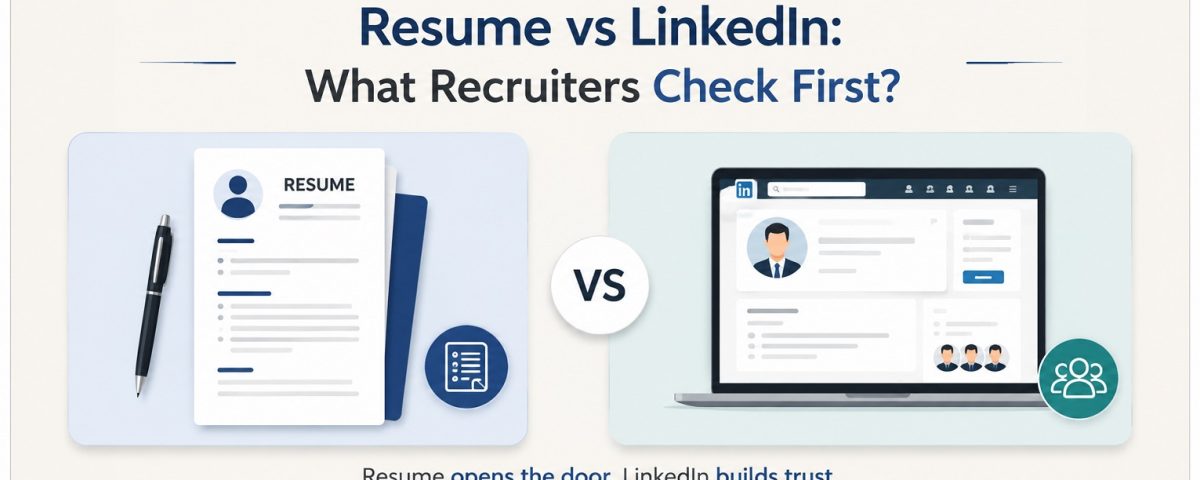
In today’s competitive job market, job seekers often wonder whether recruiters pay more attention to a resume or a LinkedIn profile. Both are essential tools in a professional’s job search strategy, but they serve different purposes. Understanding how recruiters use each can help you create a stronger personal brand and increase your chances of getting hired.
The Modern Recruitment Process
Recruitment has evolved significantly over the past decade. Recruiters no longer rely solely on resumes sent through email or job portals. With professional networking platforms becoming mainstream, LinkedIn has become an important resource for talent acquisition teams worldwide.
When recruiters receive an application, they often review both the candidate’s resume and LinkedIn profile. However, the order in which they check them may vary depending on the hiring process, industry, and role.
What Recruiters Usually Check First
For most job applications, the resume is still the first document recruiters review. This is because resumes are directly submitted during the application process and are often scanned by Applicant Tracking Systems (ATS) before reaching a recruiter.
A resume provides a quick snapshot of:
* Professional experience
* Education
* Skills and certifications
* Achievements
* Career progression
Recruiters typically spend only a few seconds on the initial resume review. During this time, they look for relevant qualifications, keywords, and evidence that the candidate matches the job requirements.
If the resume passes the initial screening, many recruiters immediately move to LinkedIn to verify information and gain additional insights about the candidate.
Why LinkedIn Matters More Than Ever
While resumes open the door, LinkedIn often helps recruiters decide whether to move a candidate forward in the hiring process.
A LinkedIn profile offers information that a traditional resume may not include, such as:
* Professional network
* Recommendations from colleagues
* Endorsements for skills
* Portfolio links
* Published articles and achievements
* Professional activity and engagement
Recruiters use LinkedIn profile to assess a candidate’s professional presence and credibility. An incomplete or outdated LinkedIn profile may raise concerns, especially if it contradicts information provided in the resume.
Resume Strengths
A resume remains the most important application document because it is customized for a specific job opportunity.
Key Advantages of a Resume:
Tailored Content: Candidates can customize resumes to match specific job descriptions and ATS requirements.
Structured Presentation: Resumes provide information in a concise and easy-to-read format.
ATS Compatibility: Most companies use ATS software to filter candidates before human review.
Focused Messaging: A well-written resume highlights the most relevant achievements for the target position.
Because of these benefits, a professional resume remains essential for securing interviews.
LinkedIn Strengths: LinkedIn complements the resume by offering a broader view of a candidate’s professional identity.
Key Advantages of LinkedIn:
Professional Visibility: Recruiters actively search LinkedIn to find potential candidates, even those not actively applying for jobs.
Personal Branding: Candidates can showcase expertise through posts, articles, and industry engagement.
Social Proof: Recommendations and endorsements help validate professional skills.
Networking Opportunities: LinkedIn enables direct connections with recruiters, hiring managers, and industry professionals.
A strong LinkedIn profile can attract opportunities even when you’re not actively job hunting.
What Happens When Information Doesn’t Match?
One of the biggest mistakes job seekers make is allowing discrepancies between their resume and LinkedIn profile.
Recruiters often compare both sources. Differences in job titles, employment dates, responsibilities, or achievements may create doubts about accuracy and credibility.
To avoid this:
* Keep employment history consistent.
* Update both platforms regularly.
* Ensure achievements align across profiles.
* Use a professional profile photo.
* Maintain an updated headline and summary.
Consistency builds trust and professionalism.
Which One Is More Important?
The truth is that recruiters don’t view resume and LinkedIn as competitors. They work together.
Your resume is designed to secure an interview by demonstrating job-specific qualifications. Your LinkedIn profile supports your application by providing additional context, credibility, and visibility.
If your resume is strong but your LinkedIn profile is weak, recruiters may question your professional presence.
Similarly, a great LinkedIn profile cannot fully replace a targeted resume required for most job applications.
The most successful candidates invest time in optimizing both.
How to Stand Out
To maximize your chances of getting noticed:
* Create an ATS-friendly resume.
* Customize your resume for every application.
* Maintain a complete LinkedIn profile.
* Use industry-relevant keywords.
* Highlight measurable achievements.
* Request recommendations from colleagues and managers.
* Keep both platforms updated with your latest accomplishments.
When recruiters see consistency, professionalism, and strong achievements across both channels, your chances of advancing in the hiring process increase significantly.
Watch Now: Architecting Executive Resume
Final Thoughts
So, what do recruiters check first—your resume or LinkedIn profile? In most cases, the resume gets the initial review because it is part of the application process. However, LinkedIn is often checked immediately afterward to verify information and assess your professional brand.
Rather than choosing one over the other, job seekers should focus on creating a powerful combination of both. A professionally written resume paired with an optimized LinkedIn profile can significantly improve visibility, credibility, and interview opportunities.
If you’re serious about advancing your career, make sure both your resume and LinkedIn profile work together to present a consistent and compelling professional story.